Agriculture
Dec. 19, 2024
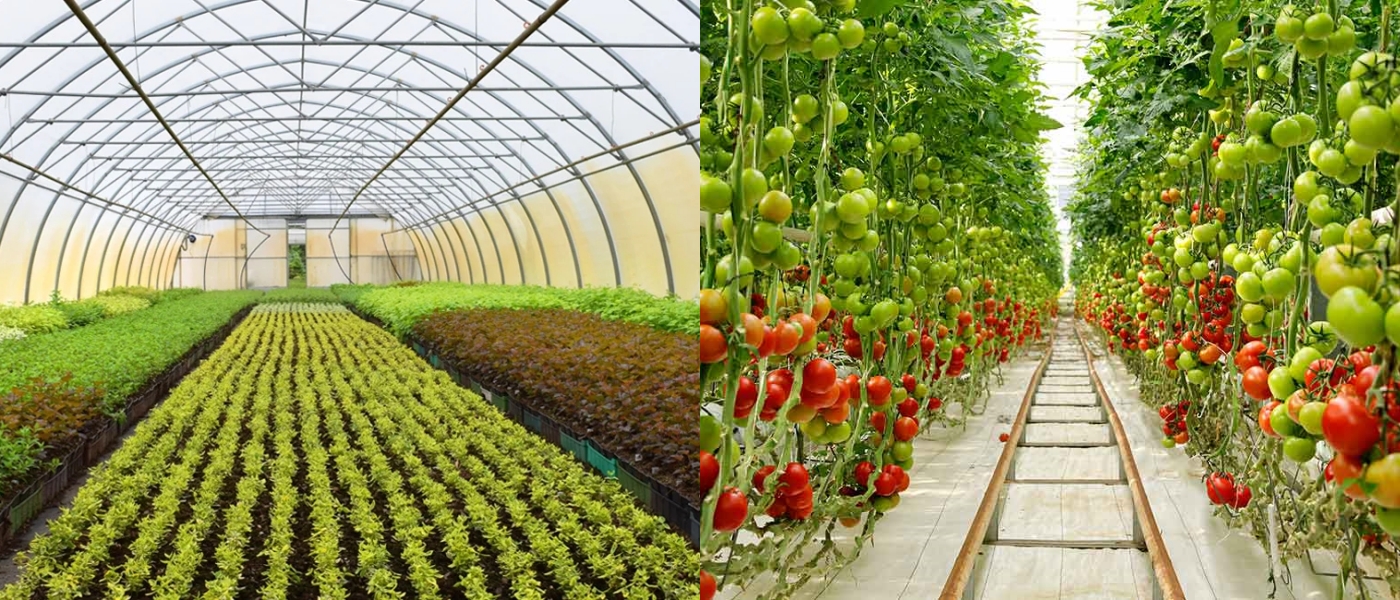
In agriculture, temperature sensors are primarily used to monitor the temperature of the air, soil, and water in a growing environment, allowing farmers to optimize planting schedules, irrigation, fertilization, and harvest timing by ensuring crops are exposed to ideal temperature conditions, ultimately leading to improved crop yield and quality while minimizing stress and potential damage from extreme temperatures; they are particularly crucial in greenhouses and controlled environments to maintain optimal growing conditions for plants.
Key Applications of Temperature Sensors In Agriculture:
* Greenhouse Management:
Monitoring the air temperature within greenhouses to regulate heating and ventilation systems, ensuring plants receive the proper temperature for optimal growth.
* Soil temperature Monitoring:
Assessing the temperature of the soil to determine the best time for planting seeds, managing irrigation, and identifying potential frost risks.
* Irrigation Optimization:
Using soil temperature data to adjust irrigation schedules, preventing overwatering or underwatering based on soil conditions.
* Pest and Disease Control:
Identifying potential disease outbreaks by monitoring temperature fluctuations which can influence pest activity.
* Crop Storage:
Maintaining proper temperature conditions in storage facilities to preserve the quality and longevity of harvested crops.
* Microclimate Monitoring:
Deploying temperature sensors throughout a field to identify localized temperature variations and adjust management practices accordingly.
* Harvest Timing:
Determining the ideal time to harvest crops by monitoring temperature changes that indicate ripeness.
* Fish Farming:
Maintaining optimal water temperatures in fish ponds to ensure healthy fish growth.
Benefits of using temperature sensors in agriculture:
* Increased Crop Yield:
By maintaining consistent and ideal growing temperatures, farmers can maximize crop production.
* Improved Crop Quality:
Precise temperature control can lead to better quality crops with improved taste and nutritional value.
* Resource Efficiency:
Optimizing irrigation based on soil temperature data can significantly reduce water usage.
* Early Detection of Issues:
Monitoring temperature fluctuations can alert farmers to potential problems like frost events or pest infestations.